
Why is my clutch slipping and making it hard to change gears?
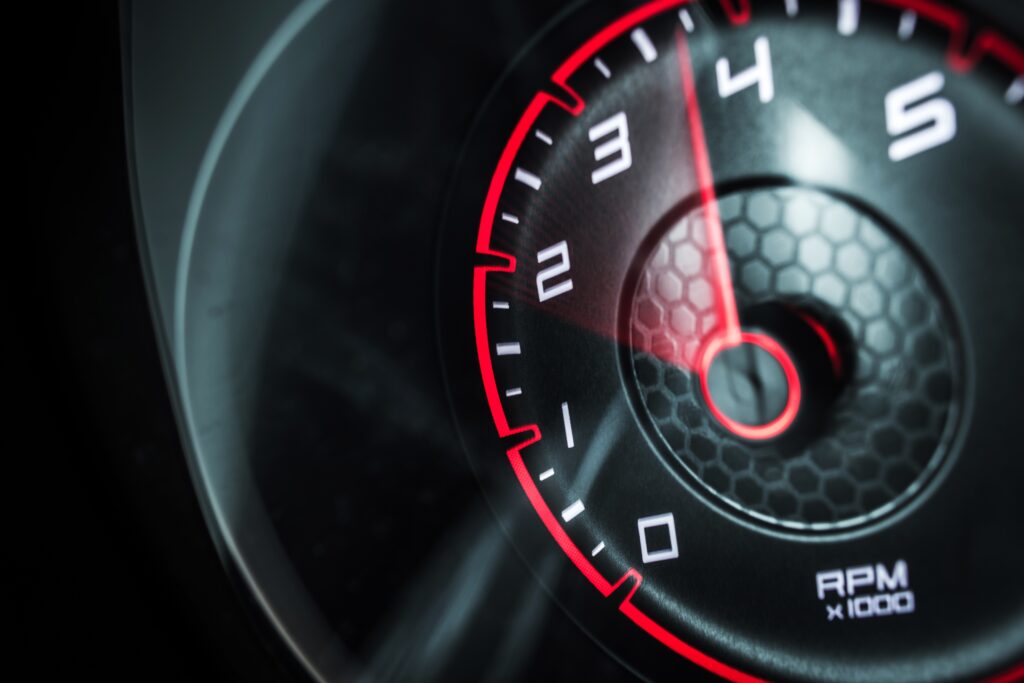 Example of this symptom
What to do immediately:
- Avoid heavy acceleration, overtaking, or driving up steep hills.
- Do not "ride" the clutch pedal (keep your foot completely off it between gear changes).
- If the engine RPM goes up but your car doesn't accelerate, pull over safely.
- Book a diagnostic check immediately before the dual-mass flywheel gets permanently damaged.
How we fix this at Coventry Service Centre
Our Coventry mechanics will road-test your vehicle and inspect the hydraulic clutch system. If a replacement is required, we safely strip the gearbox, inspect the dual-mass flywheel for heat damage, and fit a complete OEM-spec clutch kit. We bleed the hydraulics to ensure your gear shifts feel smooth and responsive again.
Experiencing a slipping clutch or a stiff, hard gear change is one of the most common signs that your vehicle’s transmission system needs professional attention. When a clutch slips, the friction material on the clutch disc is failing to grip the flywheel properly. This results in a noticeable disconnect between your engine’s RPMs and your actual road speed—you will hear the engine revving higher, but your car won’t accelerate accordingly.
Simultaneously, a hard gear change—where the gear stick feels physically resistant, stiff, or emits a grinding noise when shifting—points to a failure in the clutch properly disengaging. This can be caused by a stretched clutch cable, a failing hydraulic master or slave cylinder, or worn-out synchronizers inside the gearbox itself. Ignoring these symptoms can lead to severe flywheel damage, leaving you stranded and facing a significantly higher repair bill.